One of the most common questions when choosing caviar is: which type is right for you? Beluga, Osetra and Sevruga caviar each offer distinctive characteristics, from grain size and colour to texture and flavour. Understanding these differences will help you choose the right caviar for your taste, occasion and budget, whether you are buying your first tin or selecting caviar for a special dinner.
Quick answer: Which caviar should you choose?
Choose Osetra for a first purchase or tasting course, Beluga for a special occasion where caviar takes centre stage, and Sevruga for canapés, restaurant service or pairings with bolder flavours. Each type has its own character.
Caviar quality, though, is about more than the name on the tin. A well-handled Sevruga can offer a better tasting experience than a poorly stored Beluga, because freshness, processing and proper storage all play an important role in preserving the quality of premium caviar.
Understanding what distinguishes the three classic types of sturgeon caviar will help you make a more informed choice.
Below, we explore their key characteristics, along with the storage and serving practices that help preserve their quality.
The Three Classic Types
Beluga: Delicate and Buttery
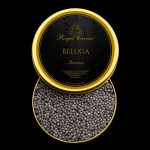
Beluga caviar is known for its comparatively large pearls, light grey to darker steel-grey shades, with a delicate membrane that gives way almost immediately. The flavour is buttery and smooth, with a finish that lingers longer than any other type. Produced from the slow-maturing Beluga sturgeon, it is a sought-after choice for special occasions and refined tasting experiences.
Osetra: Nutty and Balanced
Osetra caviar is appreciated for its medium-sized pearls, which can vary in colour from bronze to golden amber, depending on the sturgeon and the individual batch. Its texture is generally firmer than that of Beluga, while its flavour is often described as nutty, rich and subtly marine. Its balance and versatility make Osetra caviar an excellent choice for first-time buyers, tasting courses and elegant dinner service.
Sevruga: Bold and Intense
Sevruga caviar is recognised for its relatively small pearls, typically appearing in shades of dark grey to near black. Its bold, briny and tangy flavour is the most pronounced of the three types, making it a distinctive option for those who enjoy a more expressive caviar experience. Sevruga works well served on its own or with mini blinis and crème fraîche, which complement rather than overpower its character.
Beluga vs Osetra vs Sevruga Caviar: At a Glance
Beluga Caviar
Pearl size: Comparatively large pearls
Typical colour: Light grey to steel grey
Flavour profile: Smooth, buttery and delicate
Best suited for: Special occasions and centrepiece tastings
Price: From AED 375 / 30 g
Osetra Caviar
Pearl size: Medium-sized pearls
Typical colour: Bronze to golden amber
Flavour profile: Nutty, rich and balanced
Best suited for: First-time buyers and tasting courses
Price: From AED 220 / 30 g
Sevruga Caviar
Pearl size: Comparatively small pearls
Typical colour: Dark grey to near black
Flavour profile: Bold, briny and pronounced
Best suited for: Canapés and volume services
Price: From AED 160 / 30 g
How to Store and Serve Caviar: Why Proper Handling Matters
Hold an unopened tin at 0 °C to 5 °C on the coldest shelf of the refrigerator, ideally maintaining the temperature at 2 °C.
Avoid storing your caviar tin in the freezer, as freezing can affect the texture of the delicate eggs.
Once opened, keep the caviar tightly sealed and refrigerated. For the best quality, consume it within two to three days, provided the tin has been stored and handled as per the instructions on the tin.
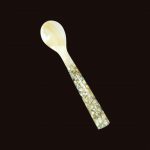
Serve caviar chilled, using a chilled serving dish or placing the container over ice while keeping the caviar protected from direct contact with water. Mother-of-pearl, bone or horn spoons are traditional choices for serving and consuming, to avoid tampering with the flavour.
Even the finest caviar depends on proper storage. Maintaining the cold chain is essential to preserving its freshness, texture and flavour.
Remember, proper storage and careful handling are just as important as the type of caviar you choose.
How Much Caviar Should You Buy?
Before buying caviar, consider how you plan to serve it, how many people you're serving and your budget. For a tasting, allow around 20–30 g per person. If serving caviar with blinis or other accompaniments, you may need less.
Check the product size and storage instructions, and choose a quantity you can enjoy while it's fresh. Once opened, caviar is best consumed promptly.
Tip: If you're unsure which to choose, start with a smaller tin to explore its flavour before investing in a larger quantity.
FAQ
Once opened, caviar is generally best consumed within two days, provided it is kept properly refrigerated and tightly covered. Always follow the storage instructions on the product label. Unopened caviar can have a longer shelf life, depending on its packaging and use-by date.
Yes, caviar can be part of a balanced diet. It provides protein for muscle maintenance, omega-3 fatty acids that support heart and brain health, vitamin B12 for nerve function and red blood cell production, and selenium for immune function. However, caviar can be high in sodium, so it is best enjoyed in moderation.
Caviar prices depend on the sturgeon species, farming and production methods, maturation time, availability and processing requirements. Some varieties are more expensive because they are less readily available or take longer to produce.
Caviar refers to salted sturgeon eggs, such as the eggs of Albino Beluga, Beluga, Baeri, Osetra and Sevruga.
Roe is the general term for fish eggs from species such as salmon, trout and lumpfish.
While all caviar is roe, not all roe is caviar. Always check the product label to identify the fish species.
Keep caviar chilled until serving and present it in a chilled dish or over ice, protecting it from direct contact with meltwater.
Taste a small amount on its own first to appreciate its flavour and texture. You can also serve it with mini blinis, lightly toasted bread or crème fraîche, or in more elaborate ways if you like.
A mother-of-pearl spoon is recommended to appreciate the caviar's unadulterated flavour.